

What Is XRP? How It Works, Uses and Risks


Introduction
XRP is a cryptocurrency designed to enable fast and low-cost transfers of value on the XRP Ledger (XRPL), a decentralized blockchain network. XRP is the native digital asset of the XRP Ledger and is used for transactions, network fees, and other activities within the XRPL ecosystem.
XRP is often associated with Ripple, but the two are different. Ripple is a technology company that develops financial infrastructure, while XRP is a separate digital asset that operates on the XRP Ledger. This guide explains what XRP is, how it works, what XRP is used for, its key features, potential benefits and risks, and how beginners can get started.
What Is XRP?
XRP was created alongside the XRP Ledger, which was developed in 2011 and early 2012. A total of 100 billion XRP was created at launch. Unlike cryptocurrencies such as Bitcoin, XRP was not designed to be mined through Proof of Work. The XRP Ledger uses its own consensus mechanism to validate transactions and maintain the network. XRP can be used to send and receive value on the network and serves as the native asset for paying transaction costs on the XRP Ledger.
XRP vs. XRP Ledger vs. Ripple
XRP, the XRP Ledger, and Ripple are related but refer to different things:
Term | Meaning |
XRP | The native cryptocurrency of the XRP Ledger |
XRP Ledger (XRPL) | A decentralized blockchain network that supports XRP and other digital assets |
Ripple | A technology company that develops financial infrastructure and uses XRP and XRPL in some of its solutions |
In simple terms, XRP is the digital asset, the XRP Ledger is the network, and Ripple is a separate company. Although Ripple is closely associated with XRP, XRP does not represent ownership of Ripple and is not a stock.
How Does XRP Work?
XRP operates on the XRP Ledger (XRPL), which uses the XRP Ledger Consensus Protocol to validate transactions and maintain a consistent record of activity. Unlike Bitcoin, the XRP Ledger does not use mining or Proof of Work. Instead, independent validators reach agreement on the order and validity of transactions.
XRP Ledger Consensus
The XRP Ledger uses a network of validators to confirm transactions. Validators compare proposed transactions and work toward agreement on the next version of the ledger. Once sufficient agreement is reached, the transactions are validated and recorded on the ledger.
This consensus process allows the XRP Ledger to confirm transactions without relying on mining. The ledger can typically reach settlement within a few seconds, making XRP suitable for applications that require relatively fast transfers.
XRP Transactions and Fees
When users send XRP, the transaction is submitted to the XRP Ledger and validated by the network. A small transaction fee is required to help prevent spam and network abuse. The standard transaction cost is currently measured in drops, the smallest unit of XRP, with 1 XRP equal to 1 million drops.
Unlike a traditional payment fee, the XRP Ledger transaction fee is destroyed rather than paid to validators. The required fee can also increase when network activity is high.
What Is XRP Used For?
XRP has several uses within the XRP Ledger, particularly for transferring value and facilitating transactions between different currencies. Its design focuses on fast settlement and efficient movement of value across the network.
Payments and Value Transfer
XRP can be used to transfer value between users and accounts on the XRP Ledger. It is designed to facilitate the movement of value without relying on traditional banking intermediaries.
Bridge Asset
XRP can also act as a bridge asset when exchanging different currencies or digital assets on the XRP Ledger. Instead of requiring a direct trading pair between two assets, XRP can be used as an intermediary, potentially simplifying the transfer of value between them.
Transaction Fees
XRP is required to pay transaction fees on the XRP Ledger. These fees help prevent spam and network abuse, and the XRP used for transaction fees is permanently destroyed. XRP can therefore serve both as a transferable digital asset and as the native asset that supports activity on the network.
Key Features of XRP
XRP and the XRP Ledger have several features that distinguish them from many other cryptocurrencies, including fast settlement, low transaction costs, a fixed maximum supply, and a consensus model that does not rely on mining.
Fast Settlement: The XRP Ledger is designed to process and settle transactions within a few seconds, allowing XRP to be transferred relatively quickly compared with many blockchain networks.
Low Transaction Costs: Transactions on the XRP Ledger generally require a small fee. The standard minimum transaction cost is currently 10 drops, or 0.00001 XRP. The fee is destroyed after the transaction is processed, helping prevent spam and network abuse.
Fixed Supply: A total of 100 billion XRP was created when the XRP Ledger was launched. No additional XRP can be mined or created through network validation, giving XRP a fixed maximum supply.
No Mining: XRP does not use mining to validate transactions or issue new tokens. Instead, the XRP Ledger relies on its consensus protocol, where independent validators agree on the order and validity of transactions.
Pros and Risks of XRP
XRP has features that may make it useful for fast value transfers, but it also carries risks common to digital assets as well as risks related to its network and ecosystem.
Pros of XRP
Fast and Low-Cost Transactions: XRP transactions on the XRP Ledger can settle within seconds and generally require low transaction fees, making the network suitable for frequent transfers of value.
Payment-Focused Utility: XRP was designed with payments and value transfer in mind. It can also function as a bridge asset between different currencies or digital assets on the XRP Ledger.
Established Ecosystem: The XRP Ledger has been operating since 2012 and supports a range of functions, including payments, tokenization, and decentralized trading. This gives XRP an established network and ecosystem beyond simple value transfers.
Risks of XRP
Price Volatility: Like other cryptocurrencies, XRP can experience significant price fluctuations. Its market value may be affected by market sentiment, liquidity, macroeconomic conditions, and developments in the broader crypto market. Before purchasing XRP, users can check real-time XRP price information and market trends through platforms such as CoinEx.
Regulatory Uncertainty: XRP and Ripple have been involved in significant regulatory proceedings, particularly in the United States. Although U.S. legal proceedings have distinguished XRP itself from certain sales of XRP, regulatory treatment can vary across jurisdictions and transaction structures.
Ecosystem and Centralization Concerns: The XRP Ledger uses a validator-based consensus model, and questions about validator distribution, network governance, and the role of major ecosystem participants can affect perceptions of decentralization.
Market Competition: XRP operates in a competitive digital asset and payments market. Other blockchain networks and payment technologies may offer alternative approaches to transferring value and facilitating cross-border transactions.
How to Get Started With XRP
For beginners, getting started with XRP usually involves learning the basics, choosing a way to acquire XRP, and understanding how to store and manage the asset securely. Users should also become familiar with the XRP Ledger, transaction fees, and basic wallet security before transferring XRP.
Learn the Basics of XRP
Before using XRP, beginners should understand the difference between XRP, the XRP Ledger, and Ripple. It is also useful to learn how XRP transactions are processed, how transaction fees work, and how wallets interact with the XRP Ledger.
Understanding basic security practices is important when managing XRP. Users should protect their private keys and recovery phrases, verify wallet addresses before making transfers, and understand when a destination tag or memo is required.
Buy XRP Through a Cryptocurrency Exchange
Users can acquire XRP through cryptocurrency exchanges that support XRP trading. Exchanges generally allow users to buy, sell, and trade XRP using fiat currencies, stablecoins, or other supported cryptocurrency pairs.
For example, users can trade the XRP/USDT pair to exchange USDT for XRP based on the current market price. Platforms such as CoinEx provide access to XRP trading services, allowing users to manage XRP alongside other digital assets.
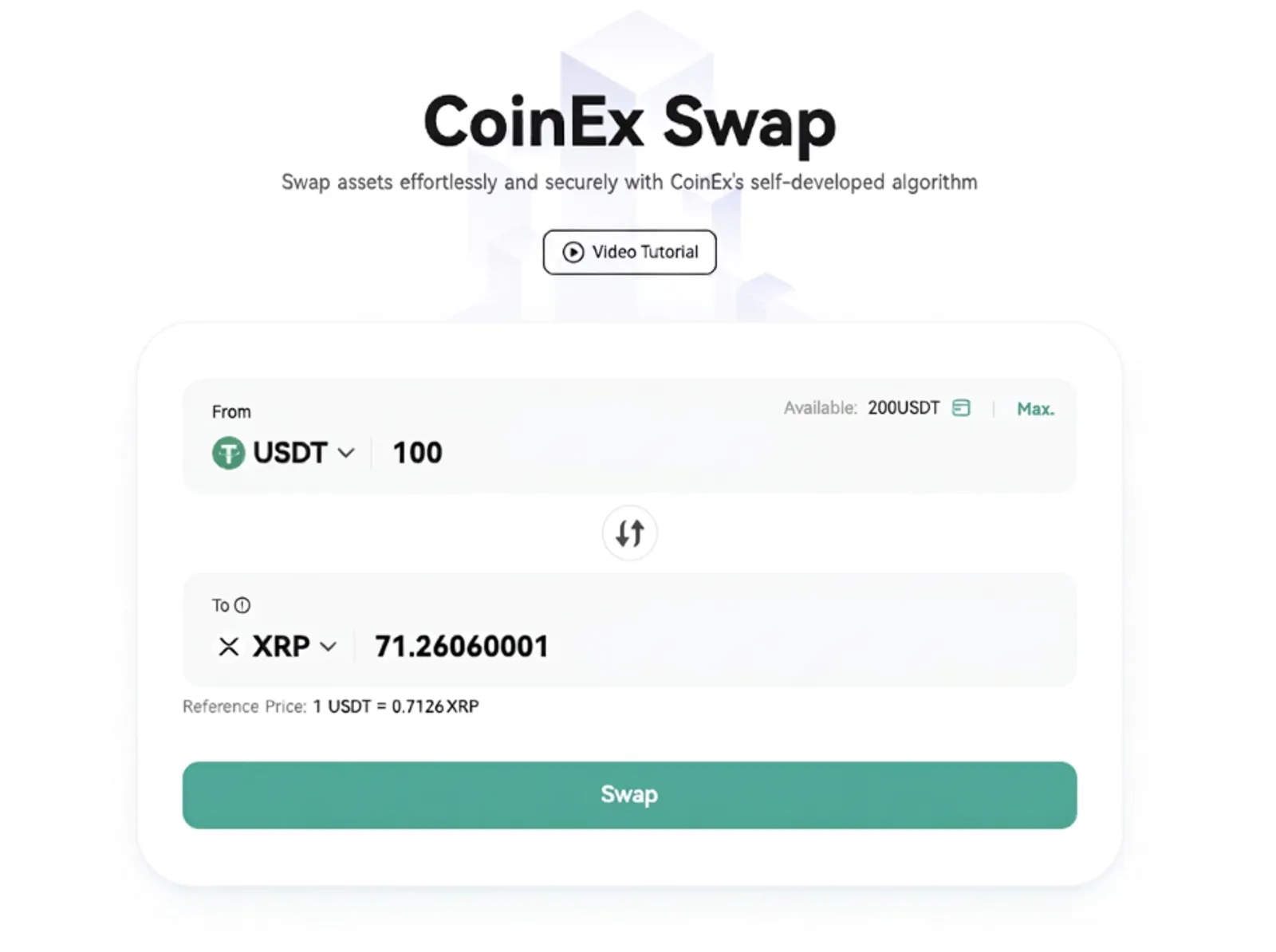
After purchasing XRP, users can either keep the asset on an exchange for trading or transfer it to a compatible cryptocurrency wallet for self-custody.
Store XRP Securely
After acquiring XRP, users should consider how to store and manage their assets securely. Common storage options include:
- Exchange wallets: Convenient for users who actively trade XRP, while requiring users to follow the platform's security practices.
- Software wallets: Allow users to manage their own private keys and interact directly with the XRP Ledger.
- Hardware wallets: Keep private keys in an offline environment and can be suitable for users who prioritize long-term asset security.
When transferring XRP to an exchange or wallet, users should carefully verify the destination address and any required destination tag. Some exchanges and custodial services use destination tags to identify individual accounts or deposits. Sending XRP without a required destination tag may cause delays or require additional recovery procedures.
Regardless of the storage method, users should protect private keys and recovery phrases and avoid sharing them with others. Transactions on the XRP Ledger are generally irreversible, so checking transaction details before confirming a transfer is an important security practice.
FAQs
What Is the Difference Between XRP and Ripple?
XRP is a cryptocurrency and the native digital asset of the XRP Ledger. Ripple is a technology company that develops financial infrastructure. Although Ripple is closely associated with XRP and uses XRP in some of its solutions, XRP is a separate digital asset and does not represent ownership of Ripple.
What Is the XRP Ledger?
The XRP Ledger (XRPL) is a decentralized, open-source blockchain network that supports XRP and other digital assets. It uses the XRP Ledger Consensus Protocol rather than mining or Proof of Work to validate transactions.
What Is XRP Used For?
XRP is used to transfer value on the XRP Ledger, pay transaction fees, and facilitate exchanges between different currencies or digital assets. It can also serve as a bridge asset within the XRPL ecosystem.
Is XRP a Stock or a Cryptocurrency?
XRP is a cryptocurrency, not a stock. XRP does not represent ownership in Ripple. Ripple is a privately held technology company, while XRP is an independent digital asset that operates on the XRP Ledger.
Is XRP a Good Investment?
XRP can experience significant price volatility, and its future value is uncertain. Whether it is suitable for an individual depends on their investment objectives and risk tolerance. Users should research XRP and consider the risks before making investment decisions.
Is XRP Safe?
XRP uses the XRP Ledger's consensus protocol to validate transactions, but using XRP still involves risks. Users should protect their private keys, verify wallet addresses and destination tags when required, and use reputable exchanges or wallets. XRP's market price can also fluctuate significantly.